

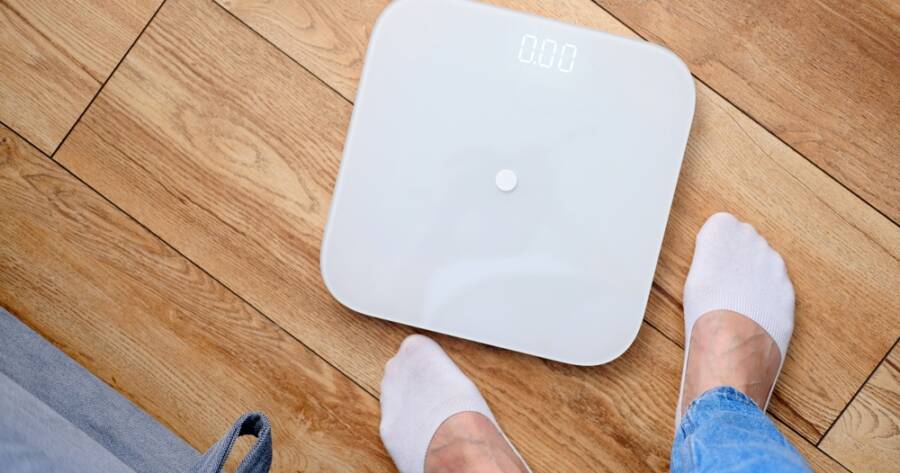
Tracking your health progress can feel confusing when you rely only on body weight. The number on a traditional scale does not show changes in muscle, fat, or water levels. Smart scales offer a more detailed view by measuring body composition and storing your data over time. When used correctly, they can help you understand your progress in a clearer way. With a simple routine, smart scales can become a useful tool for staying consistent and informed.
What Smart Scales Measure Beyond Weight
Smart scales do more than show a single number. Many models estimate body fat percentage, muscle mass, water levels, and sometimes bone mass. These extra details give a fuller picture of how your body is changing over time.
For example, your weight might stay the same while your muscle increases and body fat decreases. A regular scale would not show this progress, but a smart scale can help you see those changes. This makes it easier to stay motivated, especially when your efforts are not reflected in weight alone.
Most smart scales connect to an app that stores your results. This allows you to look back at your data and track trends over days, weeks, or months.
Understanding How the Technology Works
Smart scales use a method called bioelectrical impedance. When you stand on the scale, a very small and safe electrical signal passes through your body. The scale then estimates different body composition values based on how that signal moves through tissues.
Muscle, fat, and water each affect the signal in different ways. While the results are estimates rather than exact measurements, they can still be useful for tracking trends over time. The key is to focus on patterns instead of single readings.
Because the method depends on body conditions, your results can change based on factors like hydration or time of day. This is why consistency is important when using a smart scale.
Creating a Routine for More Reliable Results
To get the most accurate and useful data, it helps to weigh yourself under the same conditions each time. Many people choose to use their smart scale in the morning before eating or drinking. This creates a consistent baseline for comparison.
Try to place the scale on a hard, flat surface and stand still during each measurement. Avoid weighing yourself after heavy meals, workouts, or large amounts of water, as these can affect the readings.
It is also helpful to track your data regularly, such as once a day or a few times a week. Frequent tracking allows you to see trends more clearly and avoid overreacting to small daily changes.
Using Data to Stay Motivated
One of the main benefits of smart scales is how they present your progress. Instead of focusing on a single number, you can see how different parts of your body are changing. This can make your efforts feel more rewarding.
For example, if your muscle mass is increasing while your body fat is decreasing, it shows that your routine is working even if your weight is stable. This can help you stay consistent and avoid frustration.
Many apps also include charts and summaries that make it easier to understand your progress. Seeing steady improvements over time can encourage you to keep going and stick to your routine.
Avoiding Common Mistakes When Tracking
While smart scales are helpful, they should be used with the right expectations. The numbers are not exact and can vary from day to day. Focusing too much on small changes can lead to unnecessary stress.
It is better to look at long-term trends rather than daily fluctuations. A gradual shift over weeks or months is more meaningful than a single reading. This approach helps you stay focused on real progress.
Another common mistake is relying only on the scale. It is helpful to combine your data with other signs, such as how your clothes fit, your energy levels, and your overall comfort. This gives you a more balanced view of your health.
Choosing Features That Match Your Needs
Smart scales come with different features, so it is important to choose one that fits your routine. Some models focus on basic tracking, while others offer detailed reports and app integration.
If you prefer a simple approach, a scale that tracks weight and a few key metrics may be enough. If you enjoy data, you may benefit from a model that provides more detailed insights and charts.
User profiles can also be helpful for households with more than one person. This allows each user to track their own data separately. Choosing the right features makes it easier to stay consistent with your tracking.
Building a Smarter Way to Track Progress
Smart scales offer a more complete way to understand your body by showing changes beyond weight alone. By using consistent habits and focusing on long-term trends, you can turn simple data into useful insights.
The goal is not to chase perfect numbers but to build awareness of your progress. When used as part of a balanced routine, smart scales can help you stay informed, motivated, and focused on steady improvement over time.