

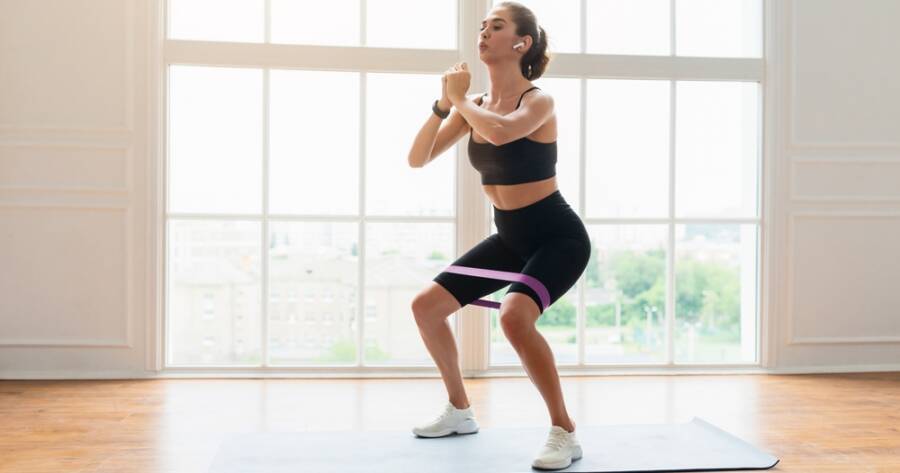
Staying flexible and pain-free does not require a gym or a long workout plan. A simple stretching routine at home can help improve movement, reduce tension, and support overall comfort. Resistance bands are a useful tool because they add light support and control to each stretch. With a clear plan and a few minutes each day, you can build a routine that fits your schedule and helps your body feel better over time.
Why Resistance Bands Work Well for Stretching
Resistance bands are easy to use and can support many types of stretches. Unlike bodyweight stretching alone, bands give you gentle resistance that helps guide your movement. This can make stretches feel more controlled and safer, especially if you are just getting started.
They also allow you to adjust how deep each stretch feels. By changing how tightly you hold the band, you can increase or decrease the tension. This makes it easier to match the stretch to your comfort level. Because they are lightweight and portable, you can use them anywhere in your home without needing extra space.
Setting Up a Simple Routine That Fits Your Day
The best stretching routine is one you can follow regularly. Start by choosing a time that works for you, such as in the morning, after work, or before bed. Even 20 to 30 minutes can be enough to see steady progress if you stay consistent.
Pick a small number of stretches instead of trying to do too many at once. Focus on key areas like your legs, back, shoulders, and hips. Keeping your routine simple makes it easier to repeat each day. Over time, you can add more stretches if needed, but starting small helps build the habit.
Keep your resistance band in a visible place so you remember to use it. When your tools are easy to reach, you are more likely to stay consistent.
Key Stretches You Can Do with Resistance Bands
Resistance bands can support many common stretches. For your legs, you can lie on your back and use the band to lift one leg at a time. This helps stretch your hamstrings in a controlled way without straining.
For your shoulders, hold the band with both hands and gently raise your arms overhead. This can help open up tight areas caused by sitting or working at a desk. A seated row stretch with the band can also support your upper back and improve posture.
You can also use bands for hip stretches by placing the band around your foot and gently guiding your leg outward. This helps improve flexibility in a slow and steady way. The goal is to move with control, not speed, and to stop before any pain.
Tips for Staying Safe and Avoiding Injury
Stretching should feel steady and controlled, not painful. When using resistance bands, avoid pulling too hard or moving too quickly. Slow movements help your muscles relax and respond better to the stretch.
Keep your breathing calm and steady. Holding your breath can make your body tense, which reduces the benefit of stretching. Try to breathe in slowly through your nose and out through your mouth while holding each stretch.
It is also important to use the right band strength. Bands come in different levels of resistance, so choose one that allows you to stretch without strain. If a band feels too tight, switch to a lighter option. Safety and comfort should always come first.
Making Your Routine Easy to Maintain
Consistency matters more than intensity. It is better to stretch for a short time each day than to do a long session once in a while. Keeping your routine simple helps you stay on track even when your schedule is busy.
You can also pair stretching with another daily habit. For example, stretch while watching TV or after brushing your teeth in the evening. Linking your routine to something you already do makes it easier to remember.
Tracking your progress can help you stay motivated. You may notice that your movements feel smoother or that you have less tension over time. These small improvements can encourage you to keep going.
Adjusting Your Routine as Your Body Changes
As your flexibility improves, you may want to adjust your routine. You can hold stretches for a bit longer or add new movements that target different areas. The key is to make gradual changes instead of rushing.
Pay attention to how your body feels each day. Some days you may feel more flexible, while other days you may need to take it easy. Listening to your body helps prevent injury and keeps your routine sustainable.
If you experience ongoing discomfort, it may be helpful to review your technique or take a short break. Stretching should support your body, not cause stress.
Building a Routine That Supports Long-Term Comfort
A home stretching routine with resistance bands can be a simple and effective way to care for your body. By focusing on a few key movements and staying consistent, you can improve flexibility and reduce daily tension.
The goal is not to push your limits but to create a routine that feels steady and manageable. With time, these small daily actions can lead to better movement, less discomfort, and a more relaxed body overall.