

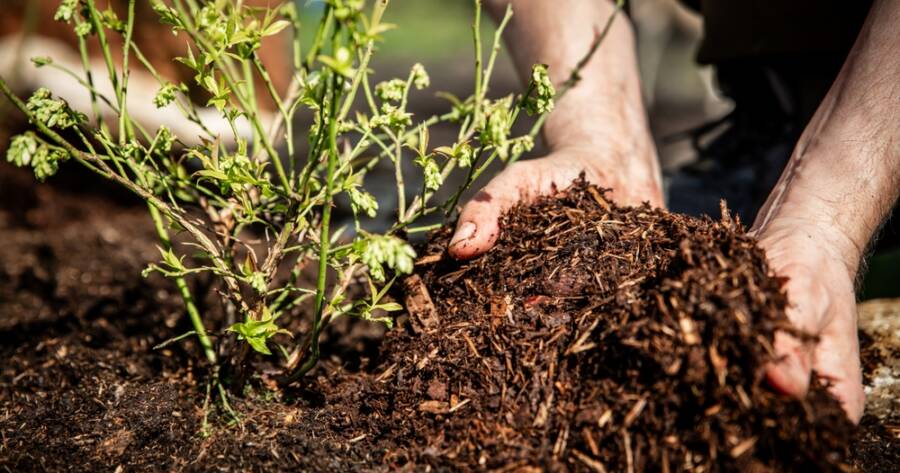
Weeds can quickly take over garden beds, making it harder for plants to grow and thrive. They compete for water, sunlight, and nutrients, often spreading faster than expected. One simple and effective way to manage the problem is by using mulch. Mulch creates a protective layer over the soil that helps block weed growth while also supporting plant health. With the right approach, mulch can make your garden easier to maintain throughout the growing season.
How Mulch Helps Block Weed Growth
Mulch works by covering the soil and limiting the amount of sunlight that reaches weed seeds. Without enough light, many weeds struggle to grow or even start. This makes it harder for them to spread and take over your garden beds.
The layer also acts as a barrier that prevents new weed seeds from settling into the soil. Even if some weeds manage to grow, they are often weaker and easier to remove. Over time, this reduces the amount of work needed to keep your garden clean and organized.
Choosing the Right Type of Mulch
There are several types of mulch you can use, and each has its own benefits. Organic mulches, such as wood chips, bark, straw, or shredded leaves, are popular because they break down over time and improve soil quality. These are often a good choice for garden beds with flowers, vegetables, or shrubs.
Inorganic options, like landscape fabric or rubber mulch, can also help block weeds. However, they do not improve the soil in the same way. For most home gardens, organic mulch is preferred because it supports both weed control and long-term soil health.
When choosing mulch, consider the type of plants you are growing and the look you want for your garden. A consistent layer that matches your needs will give the best results.
How to Apply Mulch for Best Results
Applying mulch correctly is important for controlling weeds. Start by removing any existing weeds from the area before adding your mulch layer. This prevents them from continuing to grow underneath.
Spread the mulch evenly across the soil, aiming for a layer that is about two to three inches thick. This depth is usually enough to block sunlight while still allowing water to reach the soil. Be careful not to pile mulch directly against plant stems, as this can trap moisture and cause problems.
Water the area lightly after applying mulch to help it settle into place. This creates a stable layer that stays effective over time.
Maintaining Your Mulch Layer
Mulch does not last forever, especially organic types that break down over time. As it decomposes, the layer becomes thinner and less effective at blocking weeds. Adding a fresh layer once or twice a year can help maintain its benefits.
It is also helpful to check your garden beds regularly for any weeds that manage to grow. Removing them early keeps them from spreading and makes the task much easier. Keeping your mulch layer in good condition supports long-term weed control.
If you notice areas where mulch has shifted or worn away, simply refill those spots. Small adjustments can keep your garden looking neat and well-maintained.
Additional Benefits of Using Mulch
Beyond weed control, mulch offers several other benefits for your garden. It helps retain moisture in the soil, which can reduce the need for frequent watering. This is especially useful during hot or dry periods.
Mulch also helps regulate soil temperature. It keeps the soil cooler in the summer and provides some protection during colder weather. This creates a more stable environment for plant roots.
As organic mulch breaks down, it adds nutrients back into the soil. This supports healthier plant growth over time and improves the overall quality of your garden beds.
Creating a Low-Maintenance Garden Routine
Using mulch is a simple way to make garden care easier. By reducing weed growth and supporting soil health, it cuts down on the time and effort needed for regular maintenance.
Pairing mulch with other basic habits, like watering properly and checking plants regularly, can create a steady and manageable routine. This allows you to focus more on enjoying your garden instead of constantly working to control weeds.
A Simple Solution for Healthier Garden Beds
Mulch layers provide an effective and easy way to reduce weed growth while supporting your plants. By choosing the right type, applying it correctly, and maintaining it over time, you can create a cleaner and more productive garden.
The goal is to build a system that works with your garden, not against it. With mulch as part of your routine, you can enjoy healthier plants and a more manageable outdoor space throughout the year.