

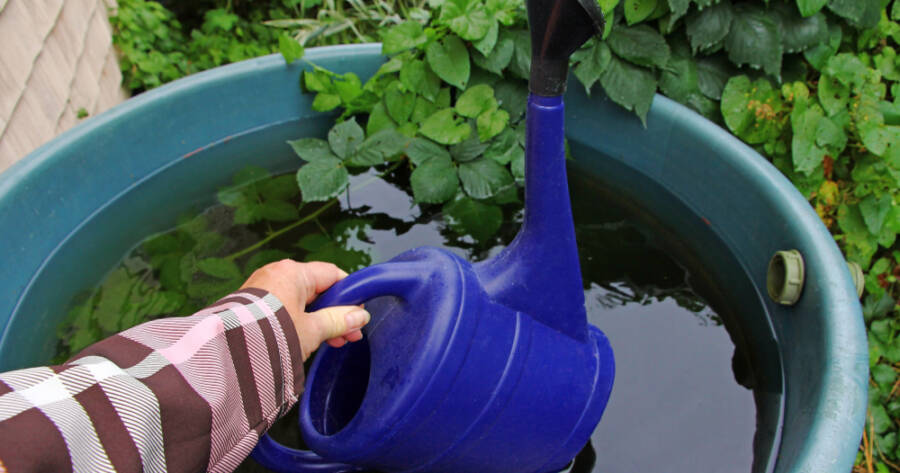
Collecting rainwater is a simple way to make better use of a natural resource that often goes to waste. Many homeowners in the United States are turning to rain barrel systems to support their gardens and reduce outdoor water use. With a basic setup, you can capture water from your roof and store it for later use. Learning to collect rainwater can help make everyday yard care more efficient without adding much extra work.
How a Rain Barrel System Works
A rain barrel system collects water that flows from your roof into your gutters. This water is directed through a downspout and into a barrel where it is stored. Once collected, the water can be used for tasks like watering plants, cleaning outdoor surfaces, or maintaining your lawn.
Most rain barrels include a lid, a spigot near the bottom, and sometimes an overflow valve. The lid helps keep out debris and insects, while the spigot allows you to attach a hose or fill a watering can. The overflow valve directs excess water away from your home when the barrel is full, which helps prevent flooding near your foundation.
Choosing the Right Location for Your Barrel
Placement is one of the most important parts of setting up your system. Your rain barrel should sit directly under a downspout so it can collect water efficiently. Look for a spot that is level and close to the area where you plan to use the water, such as a garden bed or lawn.
Raising the barrel slightly off the ground can make it easier to access the spigot and improve water flow. A sturdy platform made of bricks or a stand can help with this. Make sure the base is stable, as a full barrel can be very heavy and needs proper support.
Preparing Your Downspout for Collection
To direct water into your rain barrel, you will need to adjust your downspout. This usually involves cutting a small section and attaching a diverter or elbow that guides water into the barrel opening. Many rain barrel kits include parts that make this step easier.
It is important to ensure a tight fit so water flows into the barrel instead of spilling around it. You may also want to add a screen at the top of the barrel to catch leaves and debris. This helps keep the water cleaner and reduces the need for frequent maintenance.
Using Collected Water Safely and Effectively
Rainwater collected in a barrel is best used for outdoor purposes. It works well for watering plants, washing tools, or cleaning outdoor areas. Many people use it to support gardens during dry periods, which can help reduce reliance on tap water.
It is important not to use this water for drinking or cooking. Because it comes from your roof, it may contain small amounts of dirt or other materials. Keeping the barrel covered and using the water regularly can help maintain its quality for outdoor use.
Regular Maintenance for Long-Term Use
Keeping your rain barrel system in good condition does not take much time, but it is important. Check the screen and remove any leaves or debris that may collect over time. This helps maintain water flow and keeps the system working smoothly.
You should also empty and rinse the barrel occasionally to prevent buildup inside. In colder areas, it is a good idea to drain the barrel before winter to avoid damage from freezing temperatures. Simple care steps like these can help extend the life of your system.
Benefits of Adding a Rain Barrel to Your Home
A rain barrel system offers several practical benefits. It helps reduce outdoor water use, which can support lower utility use over time. It also provides a backup water source for your garden during dry periods.
In addition, collecting rainwater can help reduce runoff around your home. This may lower the risk of soil erosion and water pooling near your foundation. By using water that would otherwise be lost, you are making a small but useful change to how you manage your outdoor space.
A Simple Step Toward Smarter Water Use
Setting up a rain barrel system is a straightforward way to collect and reuse water at home. With the right placement, a few basic tools, and simple maintenance, you can create a system that supports your yard throughout the year.
The goal is not to make major changes but to use what is already available in a smarter way. Over time, this small addition can make your outdoor routine more efficient and easier to manage.