

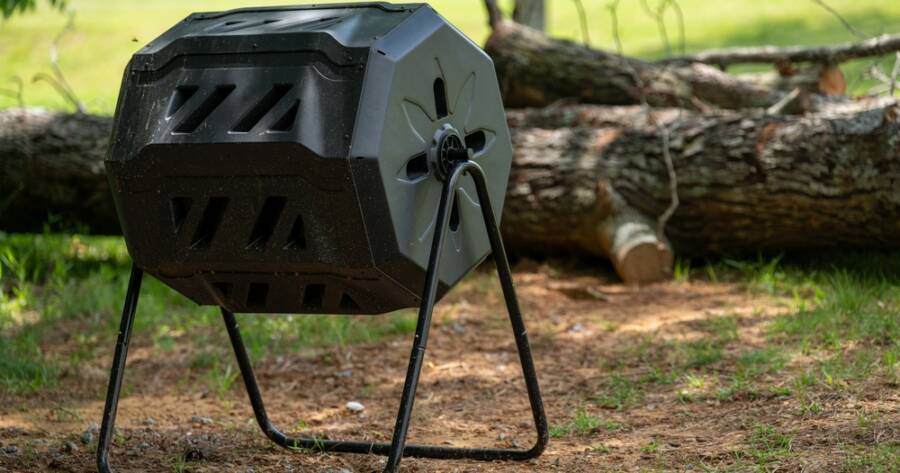
Managing food scraps and yard waste can feel like a constant task, especially when it quickly builds up. Instead of throwing everything away, many homeowners are turning to composting as a simple way to reuse organic waste. Compost tumblers make the process easier and faster by improving airflow and mixing materials more evenly. With the right setup, they can turn everyday waste into useful compost for your garden in less time.
What Makes a Compost Tumbler Different
A compost tumbler is a closed container that is raised off the ground and designed to rotate. Unlike traditional compost piles, which sit in one place, a tumbler allows you to mix materials by simply turning the container. This helps break down organic waste more evenly.
The enclosed design also helps control moisture and keeps pests out. Because the system is contained, it is easier to manage than an open pile. This makes compost tumblers a good option for people who want a cleaner and more controlled way to recycle organic waste at home.
How Tumblers Speed Up the Composting Process
One of the main reasons compost tumblers work faster is because they improve airflow. When you rotate the tumbler, you introduce oxygen into the mix. This supports the natural process that breaks down organic material more efficiently.
Mixing is another key factor. In a traditional compost pile, materials can settle and form dense layers that slow decomposition. A tumbler prevents this by keeping everything evenly distributed. With better airflow and mixing, the breakdown process can move along at a quicker pace.
The closed design also helps maintain heat inside the container. This steady warmth supports faster decomposition and helps create compost in a shorter amount of time compared to open piles.
What to Add for Best Results
To get the most out of a compost tumbler, it is important to use the right mix of materials. Organic waste is often divided into two types: “greens” and “browns.” Greens include items like fruit scraps, vegetable peels, and coffee grounds. Browns include dry leaves, paper, and small branches.
A balanced mix helps the compost break down more effectively. Too many greens can make the mix too wet, while too many browns can slow the process. A simple approach is to aim for a mix that feels slightly damp but not soggy.
It is also helpful to cut larger pieces into smaller ones before adding them. Smaller pieces break down faster and make the process more efficient overall.
Simple Steps for Daily Use
Using a compost tumbler does not require a complex routine. Start by adding your organic waste along with a balance of greens and browns. After adding new material, give the tumbler a few turns to mix everything together.
Turning the tumbler every few days helps maintain airflow and keeps the process moving. You do not need to rotate it constantly, but regular mixing supports faster results. Over time, the materials will begin to break down into a dark, soil-like compost.
Keeping the lid closed is important to maintain the right moisture level and keep out pests. If the mix becomes too dry, adding a small amount of water can help. If it becomes too wet, adding more brown materials can balance it out.
Common Mistakes to Avoid
Even with a simple system, a few mistakes can slow down composting. One common issue is overloading the tumbler with too much material at once. This can reduce airflow and make it harder for the contents to break down properly.
Another mistake is not turning the tumbler often enough. Without regular mixing, the compost may become uneven and slow to process. Consistent turning helps keep everything active and balanced.
It is also important to avoid adding items that do not break down well, such as large bones, certain oils, or non-organic materials. Keeping your inputs simple and clean will lead to better results.
Benefits Beyond Waste Reduction
Using a compost tumbler offers more than just a way to manage waste. The compost you produce can be used to improve soil quality in your garden. It can help plants grow stronger by adding nutrients back into the soil.
Composting also reduces the amount of organic waste sent to landfills. This small change can support a cleaner environment while making use of materials that would otherwise be thrown away. For many homeowners, it is a practical way to combine waste reduction with gardening benefits.
A Faster Path to Better Compost
Compost tumblers provide a simple and effective way to speed up organic waste recycling at home. By improving airflow, maintaining heat, and making mixing easy, they help turn everyday scraps into useful compost in less time.
The key is to keep the process balanced and consistent. With regular turning and the right mix of materials, you can create a steady system that supports both your garden and your household. Over time, this small habit can lead to less waste and healthier soil.